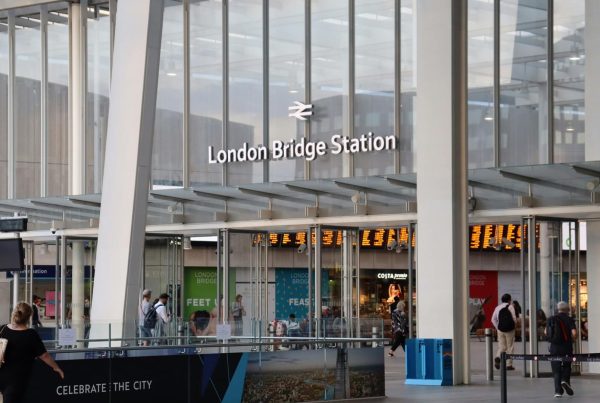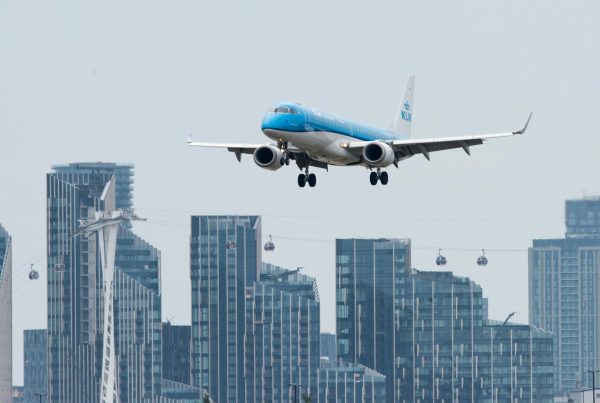
Ever waited ages for a late train, only to end up squeezed between strangers with your bags on your lap? Did you know that Minibus Hire Airport Transfers often get travellers from Heathrow to their hotels faster than the next train on the board? This blog shares eight solid reasons why swapping rails for wheels is simply smarter. Curious about saving time and hassle? Keep reading.
Key Takeaways
- Minibuses offer more flexibility than trains. They can choose different routes and adjust schedules to fit passengers’ needs.
- Travelling by minibus is often cheaper. They have lower fares, provide group discounts, and don’t charge extra for luggage or seat reservations.
- Minibuses are less crowded and more comfortable. They have spacious seating and fewer passengers, making the journey quieter and more relaxed.
- Minibuses save time on travel. They take direct routes, avoid train delays, and drop passengers closer to their destination.
- Minibuses are better for the environment. New models use cleaner fuel or electric power, reducing pollution compared to diesel trains.
Overview of different modes of transportation
Travellers choose from many ways to get about. Minibuses, trains, black cabs, regular buses and private hire cars fill cities and towns alike. Each type has its own perks and pitfalls.
Trains run on tracks, set by fixed timetables; they pack people in like sardines during rush hour.
Minibuses make a solid choice for airport transfers minibus hire or Heathrow minibus airport transfers. They weave through narrow streets easily where larger coaches struggle. “A journey of a thousand miles begins with a single step—or sometimes just the right vehicle,” as locals say at the curbside stop.
Introduction to minibuses as a viable alternative to trains
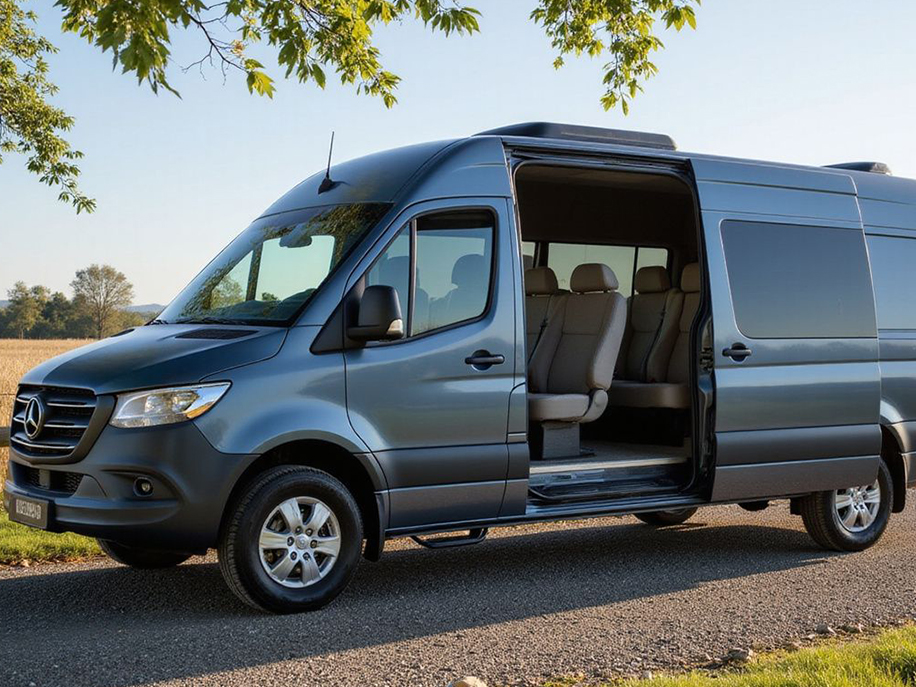
After considering buses, trams, and other ways people get around, let us shine a light on minibuses. Think of these vehicles as the Swiss army knife in travel; small but mighty. Minibuses like the Ford Transit and Mercedes-Benz Sprinter offer room for groups big or small.
They zip through city streets and country lanes alike.
Unlike trains that stick to tracks, minibuses choose flexible routes. Drivers can pick you up right outside your door and drop you off where you need to go—no endless platform queues or ticket barriers slowing things down.
For school trips or airport runs, these coaches save both time and stress. Since 2021, surveys show rising demand for group minibus bookings in cities such as Manchester and Birmingham due to their simplicity compared to public transport options like rail services from companies including Northern Rail or Avanti West Coast.
Flexibility and Convenience
Minibuses glide through winding streets, offering a handy door-to-door lift, while timetables bend to fit your plans—curious how else they make life simpler? Keep reading.
Greater flexibility in terms of routes and schedules
Trains stick to fixed lines. Minibuses do not have this limit. They twist and turn through the city, reach hidden villages, or pick you up from your street corner on a rainy Tuesday.
Google Maps might say “take two trains and walk 30 minutes,” but your minibus driver only shrugs and says, “Hop in.” Some companies even change routes on busy days, slipping past traffic like fish in water.
Schedules shift with real life. If school lets out early or work runs late, you still catch your ride home with ease. Public coach apps show live times; no need to wait for hours if plans change.
This kind of flexibility saves time and sanity—especially when rail strikes leave everyone stranded at the station steps.
Door-to-door service for passengers
Flexibility in routes makes a big difference; the next step up is how minibuses pick you up right from home. No need for long walks to distant platforms or wrestling with heavy bags on crowded pavements.
A minibus will collect you at your front door and drop you close to your final stop, whether that’s work, school, or even grandma’s birthday party.
Many companies use smart tools like GPS and real-time route planners so they find the fastest streets each day. This means less waiting around and no missed connections. Even someone carrying groceries or travelling with kids finds getting all the way home much easier than train stations could ever offer.
Each trip becomes simple, safe, and personal from start to finish.
Cost-Effectiveness
Minibuses often save your wallet from taking a hit, with cheaper fares and group rates making travel less of a costly affair—keep reading if stretching money sounds good to you!
Comparison of ticket prices and additional travel costs
Saving money is important for everyone. Here’s a side-by-side view of what you’ll actually pay, covering essentials like basic fares, parking, and snacks. This table includes actual numbers from 2023 figures and common charges in England.
| Expense Item | Minibus (per person, 8 passengers) | Train (per person) |
|---|---|---|
| Standard Fare (London to Birmingham, July 2023) |
£23 (with group rate) |
£39 (off-peak single) |
| Extra Luggage Charges | £0 | £7 (excess bag) |
| Parking at Departure | £0 | £12 (24 hours, city station) |
| Taxi to Final Destination | £0 | £14 (within city, 4 miles) |
| Onboard Snacks & Drinks | £2 (minibus cooler) |
£6 (trolley or buffet) |
| Seat Reservation | No Charge | £4 |
| Total Estimated Cost | £25 | £82 |
Travel costs stack up fast on the rails. You see, a minibus splits costs between friends or family, has no hidden extras, and usually drops you right where you need to be. The train makes you pay for extras, and you’ll often have to shell out for taxis, snacks, or parking too. That’s pounds saved, not pennies.
Potential for group discounts and lower operational costs for minibuses
Groups of friends or workmates often travel cheaper on a minibus. Drivers offer discounts for big parties, which slashes the fare per head. For example, while one train ticket from London to Brighton might cost £25, splitting a £200 minibus hire among 12 people works out at less than £17 each.
Families find this handy as well, especially during school holidays.
Minibuses run on less fuel compared to trains and do not need huge stations or crowds of staff like Transport for London does. Fewer resources mean smaller bills for operators and more pocket change for passengers.
You get flexibility in booking too; sometimes companies allow you to add pit stops at no extra charge.
Shared rides leave wallets heavier and set spirits high before you even reach your destination.
Comfort and Space
Inside a minibus, you stretch your legs and settle into wide seats—gone are the days of fighting for elbow room or dodging someone’s sandwich in the aisle, so if this sounds like bliss to you, stick around for more gems.
Personal and spacious environment in minibuses
Minibuses give each traveller more elbow room than packed train compartments. You can spread out, stash your bag close by, and even chat to your mate without shouting over a crowd.
Fewer seats mean less noise and fewer distractions. Seats are often wider too; you can sink in instead of squeezing tight next to strangers.
Large windows let natural light flood in, making the ride feel open and airy—no gloomy carriages on wheels here. With air conditioning, USB ports for charging devices like smartphones, and clear Wi-Fi signals available on many minibuses, comfort keeps pace with tech needs.
Small groups often have a whole minibus to themselves; stretch out or nap as you please while the journey rolls along at your own pace.
Less crowded and more comfortable seating arrangements compared to trains
Building on the sense of space, minibuses often feel like a breath of fresh air next to packed train carriages. Seats in a minibus rarely fill up, even at peak times. You stretch your legs without bumping knees with strangers or balancing your bag on your lap.
Some minibuses feature padded chairs and adjustable backs; it’s almost as if you brought an armchair from home.
Fewer passengers also mean less noise, so conversations stay private and there is no rising din like at Kings Cross during rush hour. Electronic ticket systems make boarding calm instead of chaotic queues for busy trains run by major railway operators such as Great Western Railway or Northern Rail.
Personal space isn’t just a luxury here—it’s part of every trip, whether you’re going across town in a school shuttle or catching an airport transfer late at night.
Time Efficiency
Minibuses skip the waiting games, often taking you from A to B in less time than a train ever could—curious how else they can save your day? Keep reading!
Shorter travel times due to direct routes
No need to play train roulette with your commute. A direct bus takes you from point A straight to point B, skipping stops that do not matter for your trip. Rail routes can twist and turn, making unnecessary detours or stopping at stations where nobody gets off.
Save precious minutes on every journey.
By using main roads and motorways, coaches cut out much of the dead time stuck waiting for connections or delays often found on rail lines. You get swift drop-offs near your actual destination rather than having to trek across car parks or hunt down local transport after leaving the station.
Less hassle equals more time spent doing what you want.
Ability to bypass train delays or schedules
With direct routes speeding up journeys, minibuses deliver a smoother ride in other ways too. Signal failures and track repairs haunt rail services across the UK, with Network Rail reporting over 1,000 major train delays just in December 2023.
Passengers stuck on cold platforms know this headache all too well.
Minibuses skip rigid timetables and avoid packed station chaos. It’s simple; drivers can reroute around traffic or road closures using GPS apps like Google Maps or Waze. No waiting for the next service if one breaks down.
Minibuses don’t have to stop for every village along the way either—just hop on and get moving while trains might still be at standstill due to engineering works or staff strikes.
Fleeting freedom from fixed schedules keeps people moving while trains sit idle, rain or shine!
Environmental and Safety Benefits
With features like anti-lock brakes, air bags, and cleaner Euro 6 engines cutting pollution on the road, minibuses step up for both safety and a greener trip—curious about more ways minibuses shine? Keep reading.
Minibuses contribute to reduced carbon footprints compared to trains
Fewer passengers mean minibuses create less pollution per trip. Diesel trains can release up to 90 grams of carbon dioxide for each kilometre travelled by a single person, while a minibus using cleaner fuel might emit just 60 grams in the same stretch.
Smaller vehicles often run full and avoid empty runs, saving more energy over time.
Some minibuses now use electric or hybrid engines. This shift lowers greenhouse gases and makes cities quieter too. Smart routes let drivers skip long waits at stations, burning less fuel.
By taking smarter paths on city streets or country roads, they waste fewer resources than many big trains that travel set tracks no matter how few riders are aboard.
Enhanced safety features and statistics on reliability.
Newer minibuses use driver assistance tools like lane-keeping aid, blind spot detection, and emergency brake systems. Anti-lock brakes and electronic stability help drivers keep control in bad weather or busy traffic.
CCTV cameras add security for both the passengers and the driver.
Official figures from Euro NCAP show that new minibuses score high on crash tests yearly—sometimes reaching 90% or higher for adult protection. According to the UK Department for Transport, buses record much fewer accidents than trains per kilometre travelled.
Drivers undergo regular safety courses as well, which keeps skills sharp day after day.
Conclusion
Minibuses might just tick all the boxes for your next adventure, so why not see what else they can offer by reading on?
Recap of the advantages of minibuses over trains
Hop into a minibus, and you’ll spot the difference right away. These smaller vehicles offer more flexible routes than trains stuck on tracks. Groups can save money with bulk fares, and there’s no need to squeeze onto busy platforms or wait for fixed times.
Seats in a van feel roomy, letting travellers stretch out without worrying about shoulders touching strangers.
A drive through country roads often means quicker trips; minibuses don’t have to make endless stops or loop around long lines of track. They slip past gridlock easier. People get picked up closer to their door, cutting out time hiking across stations filled with lost tourists and heavy bags.
Even fuel efficiency is better in short hops—diesel engines sip less petrol compared to massive locomotives thundering down rails all day. Safety checks are frequent too, so families travel feeling secure mile after mile.
Encouragement for readers to consider minibuses for their future travel plans
All these benefits highlight how minibuses stand out as a practical choice for group travel. Imagine planning your next holiday or family trip, skipping the maze of train platforms and waiting crowds.
Shared transport in a minivan means you all leave together, stop where needed, and enjoy each other’s company along the way.
Minibuses also often use cleaner diesel engines or even hybrid systems now. Transport companies like National Express invest in eco-friendly fleets to limit their carbon footprint.
Sharing one ride with friends cuts both costs and pollution compared to several cars on the road or crowded railway carriages. Let minibuses be your go-to option on future adventures; you might just find them more reliable than trains.
FAQs
1. Why are minibuses considered more reliable than trains?
Minibuses often take the cake when it comes to reliability. Unlike trains, they aren’t tied down by a fixed schedule or track; they can go where you need them, when you need them.
2. Can minibuses accommodate large groups like trains do?
Absolutely! While not as vast as train carriages, minibuses have ample room for a good-sized group. So whether it’s a family outing or an office retreat, everyone fits in snugly and comfortably.
3. Do minibuses offer similar amenities to those found on trains?
Indeed, they do! Minibuses these days come equipped with all sorts of comforts – from air conditioning and reclining seats to onboard entertainment options. It’s like having your own private train carriage!
4. Are there any cost benefits associated with choosing a minibus over a train?
Yes indeed! When travelling in large groups, hiring a minibus often works out cheaper per person compared to individual train tickets – plus you get the bonus of door-to-door service!